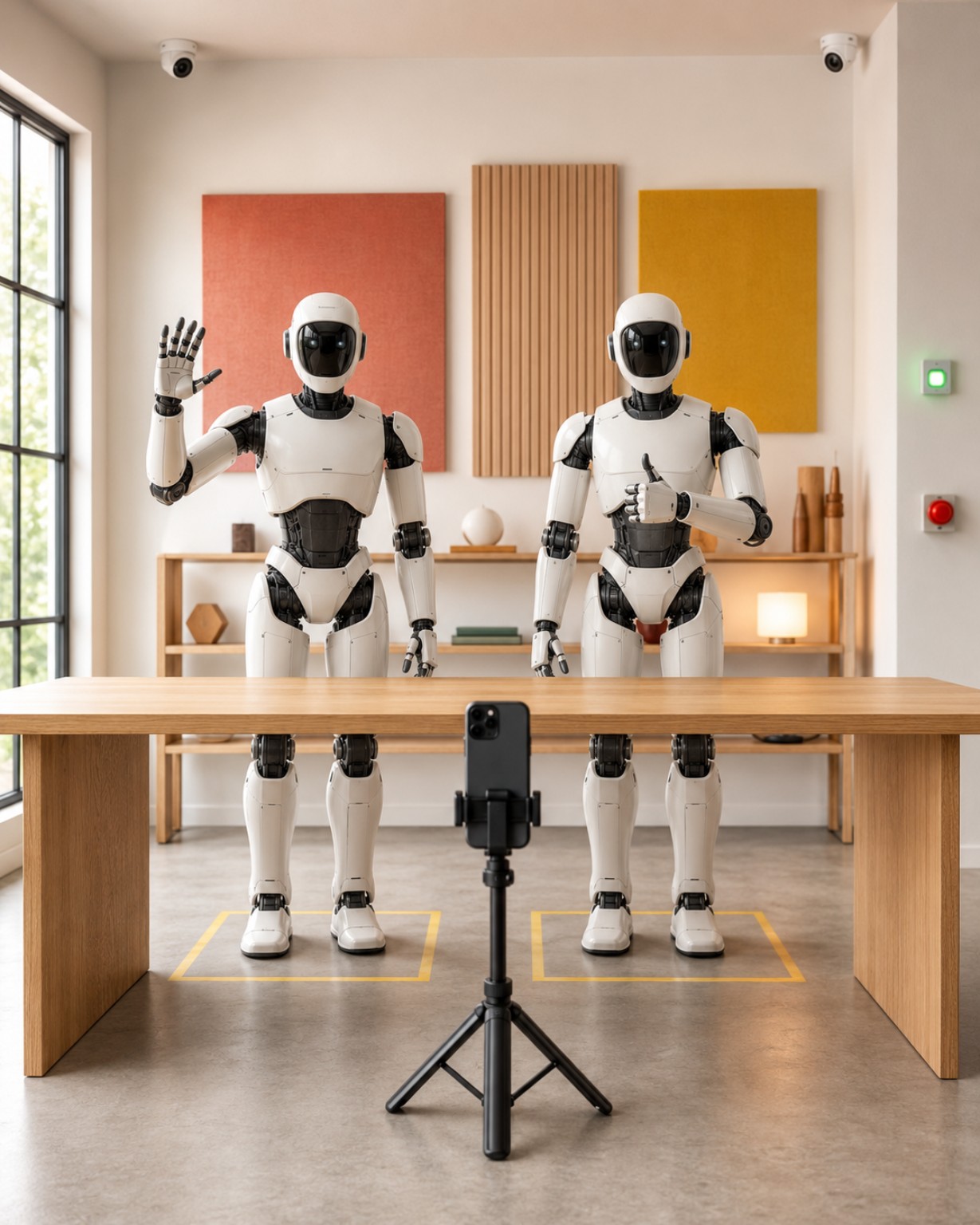
Welcome Room
Connect, look around and learn the first supported movements.
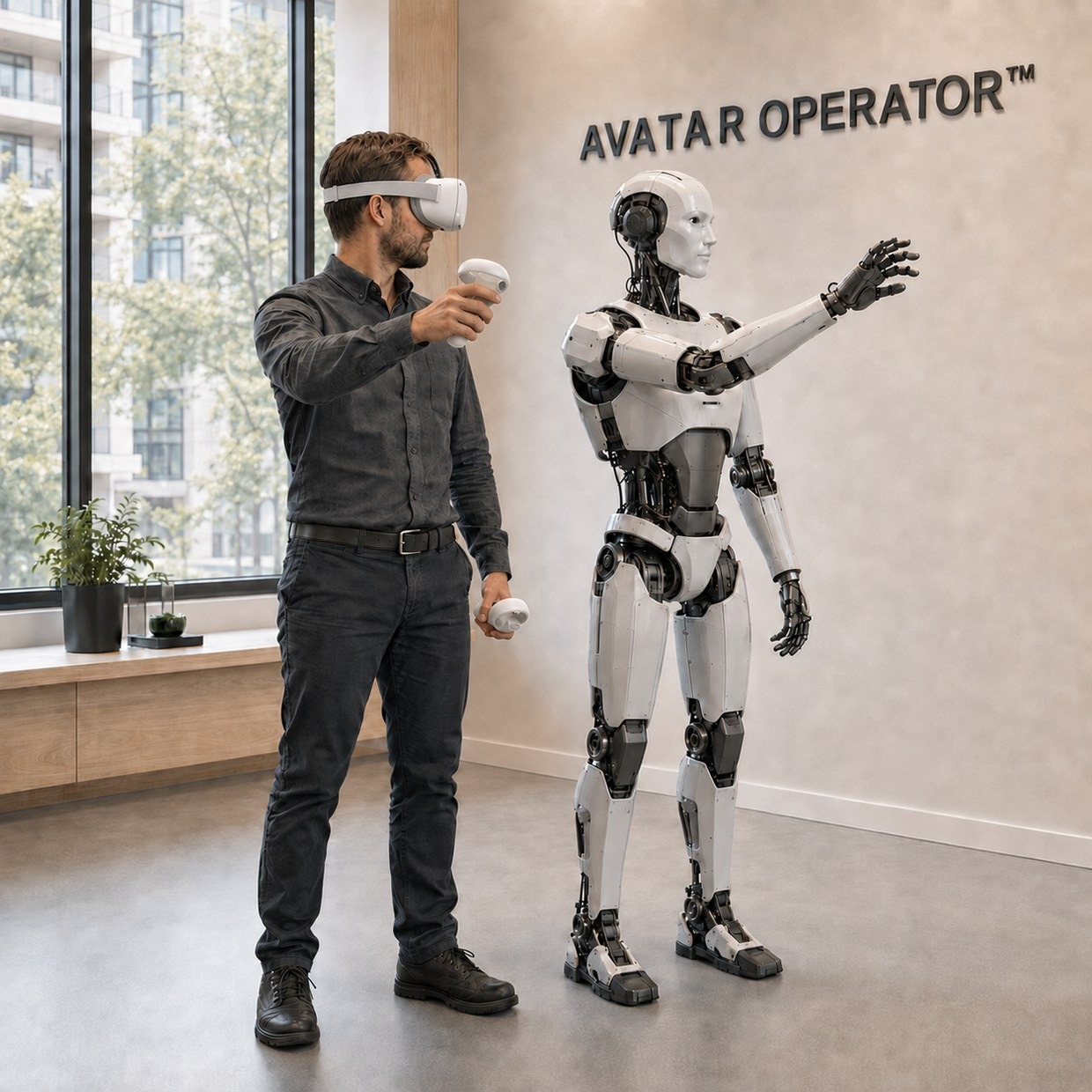
Put on a VR headset. Connect to a real robot. When you take control, it becomes your robotic avatar.
SEE THROUGH IT · MOVE THROUGH IT · ACT THROUGH IT
Remote training and supervised robot access are in development.
Your Control Setup
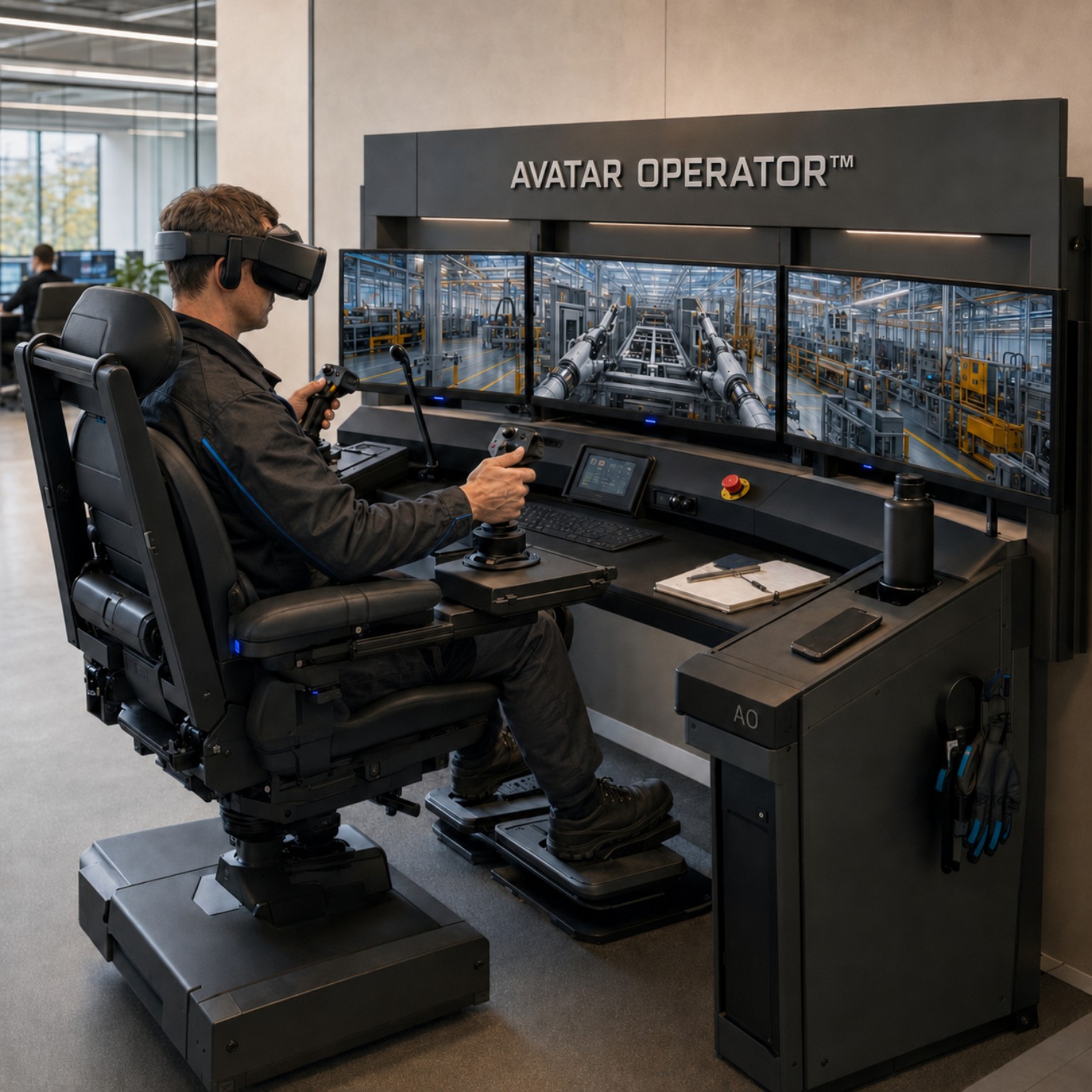
Start at home with a normal chair, a television or monitor and familiar controllers. A professional station is optional.
The VR Connection

Consumer VR headset shown for illustration. Final compatibility will be confirmed before access.
A consumer VR headset gives you the remote view. Two controllers translate supported head and hand movements into robot actions.
Compatible hardware and connection requirements will be confirmed before supervised access.
How It Works
VR connects your view and movements to a real robot in another location. While you control it, the robot becomes your robotic avatar.
Turn your head and look around the physical room through the robot’s cameras.
Your controller movements guide supported arm, hand and finger actions.
Communicate, handle objects and complete supervised physical activities from a distance.
Robot Rooms
Connect remotely to a real robot inside a supervised room. During the session, it becomes your robotic avatar.
Feel what it is like to be inside a real robot. Try one minute, wish your mother a happy birthday, record a Reel or create your own remote experience.
Connect, look around and learn the first supported movements.
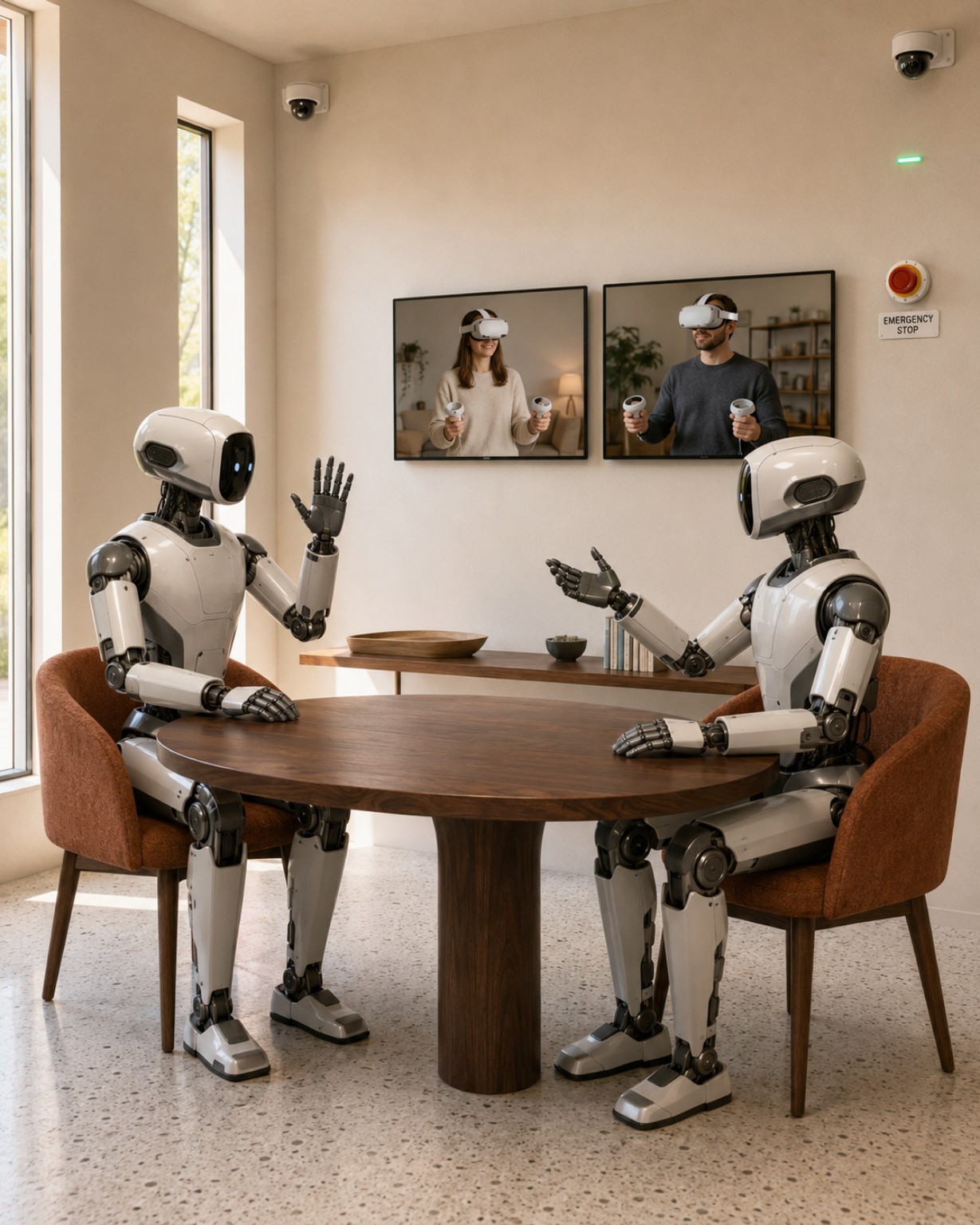
Meet another person and communicate through remotely controlled robots.
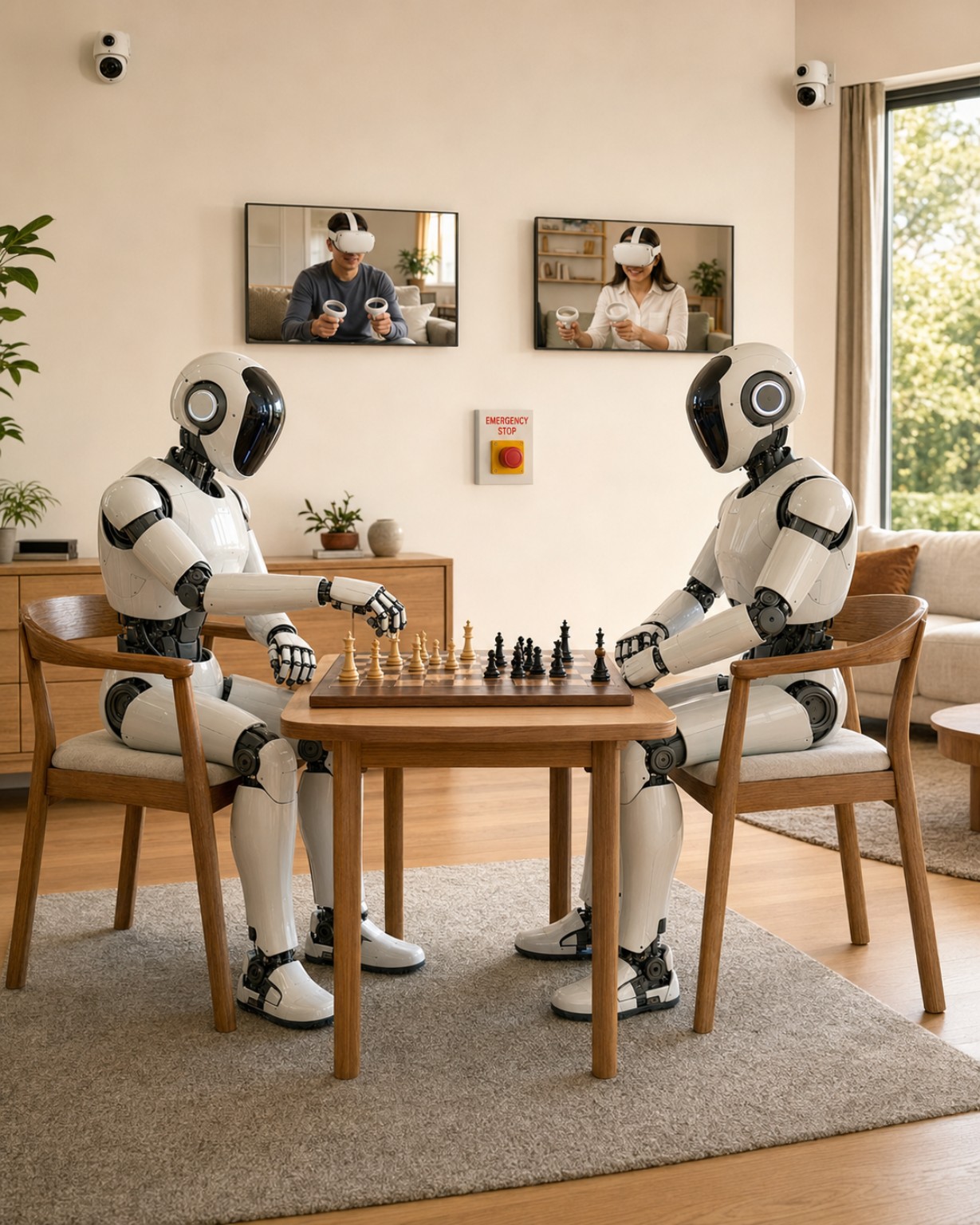
Practice vision, positioning and careful hand control around a chessboard.
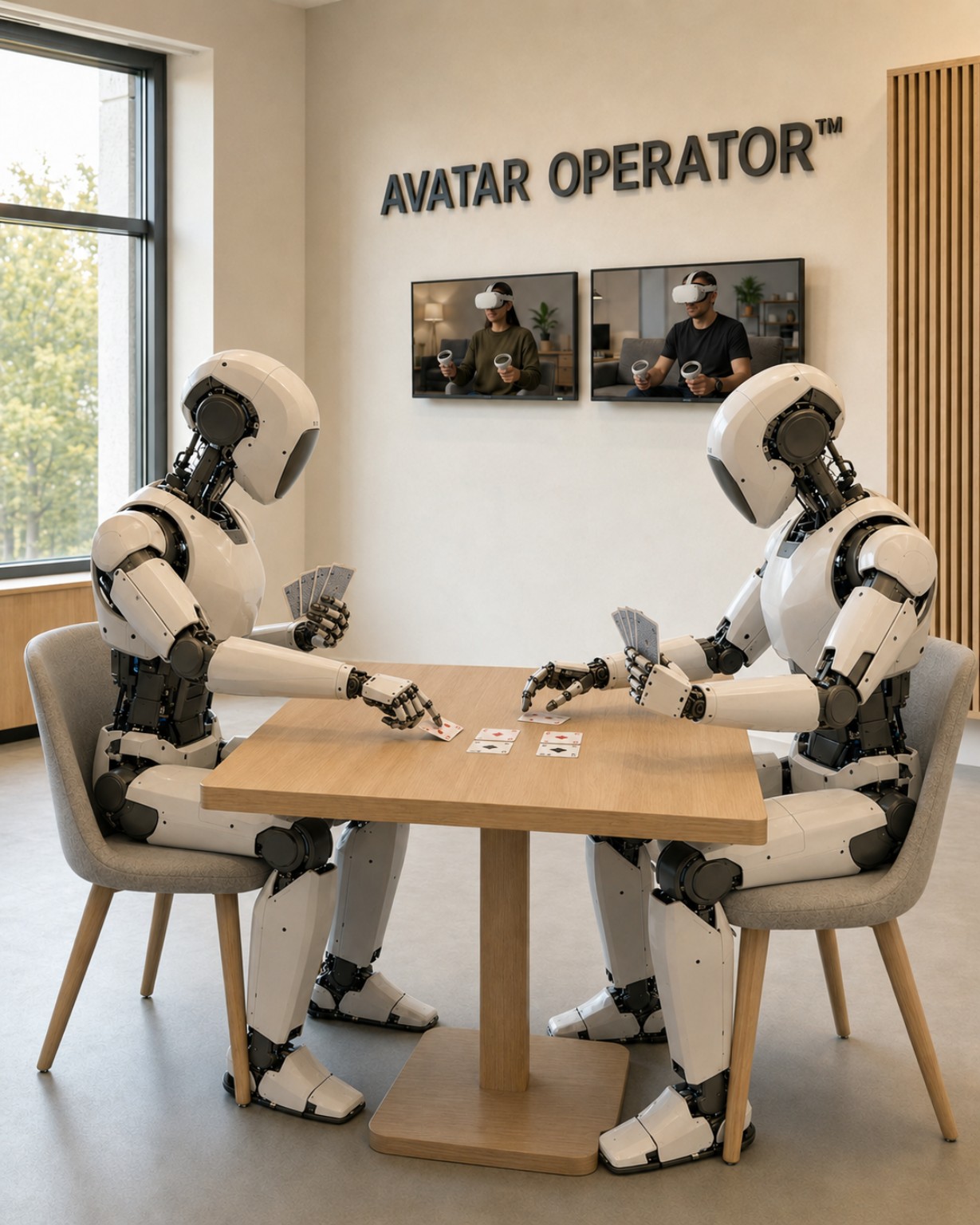
Use controlled hand and finger movements with real physical objects.
Robot Rooms are planned as a network of different spaces — for training, communication, games and future professional tasks.
Train Before You Connect
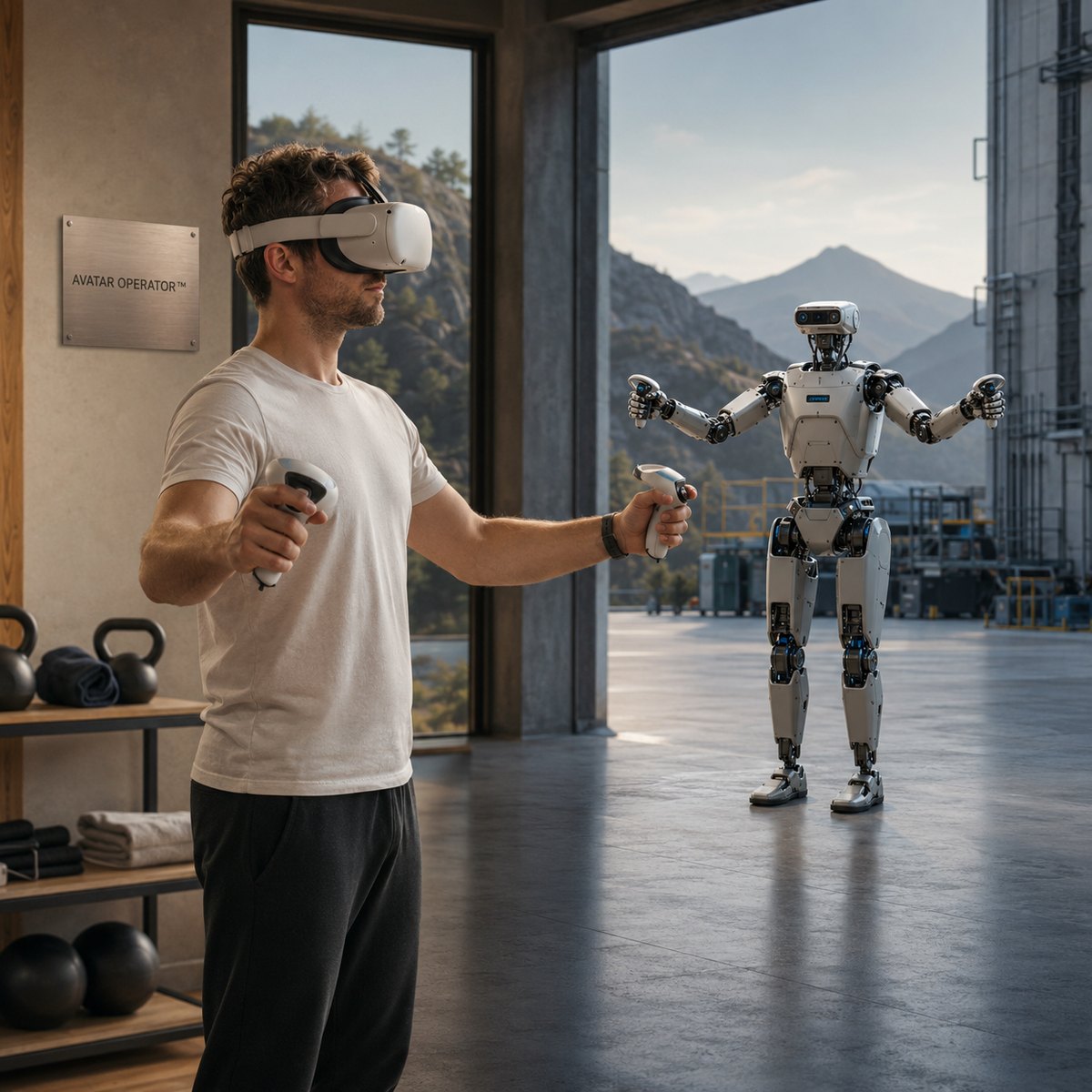
Learn vision, movement, coordination and task sequences before connecting to physical hardware.
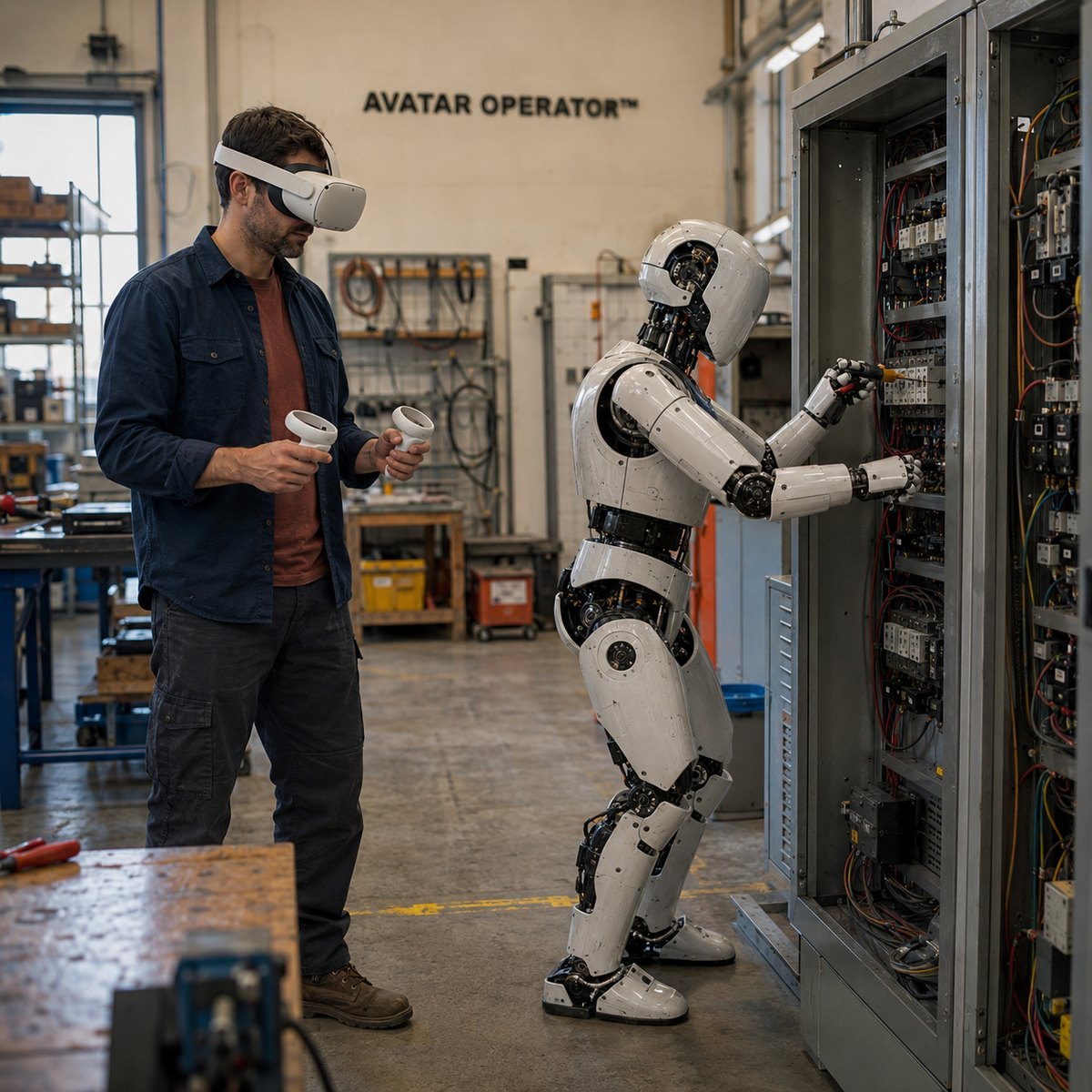
Transfer those skills into a supervised session with a real robot. Once connected, it becomes your robotic avatar.
One Control System. Two Connected Environments.
The Future of Physical Work
As robots expand into industry, many kinds of trained operators may be needed across time zones, languages and physical professions.
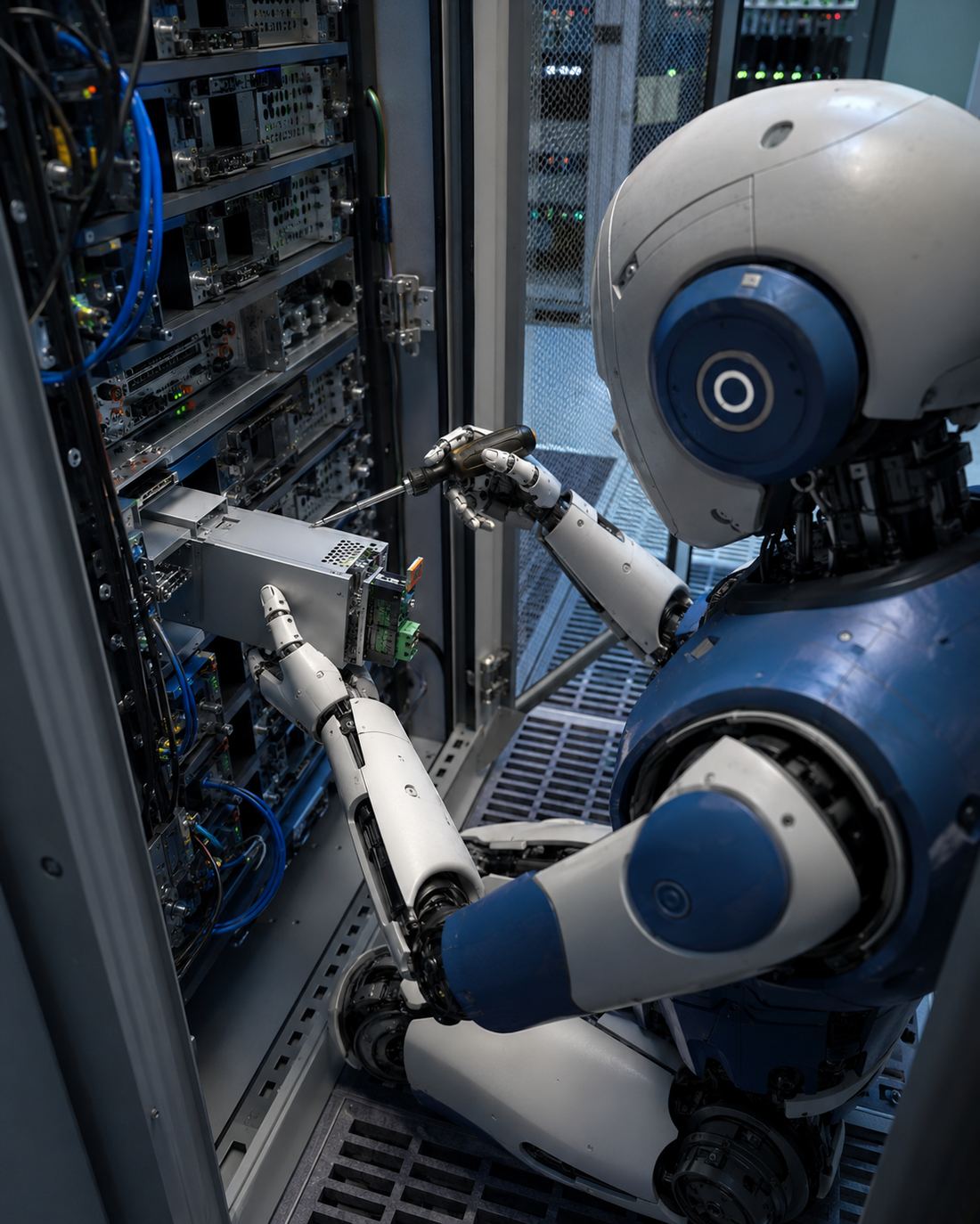
Inspect power equipment and support controlled electrical tasks remotely.
Future operator role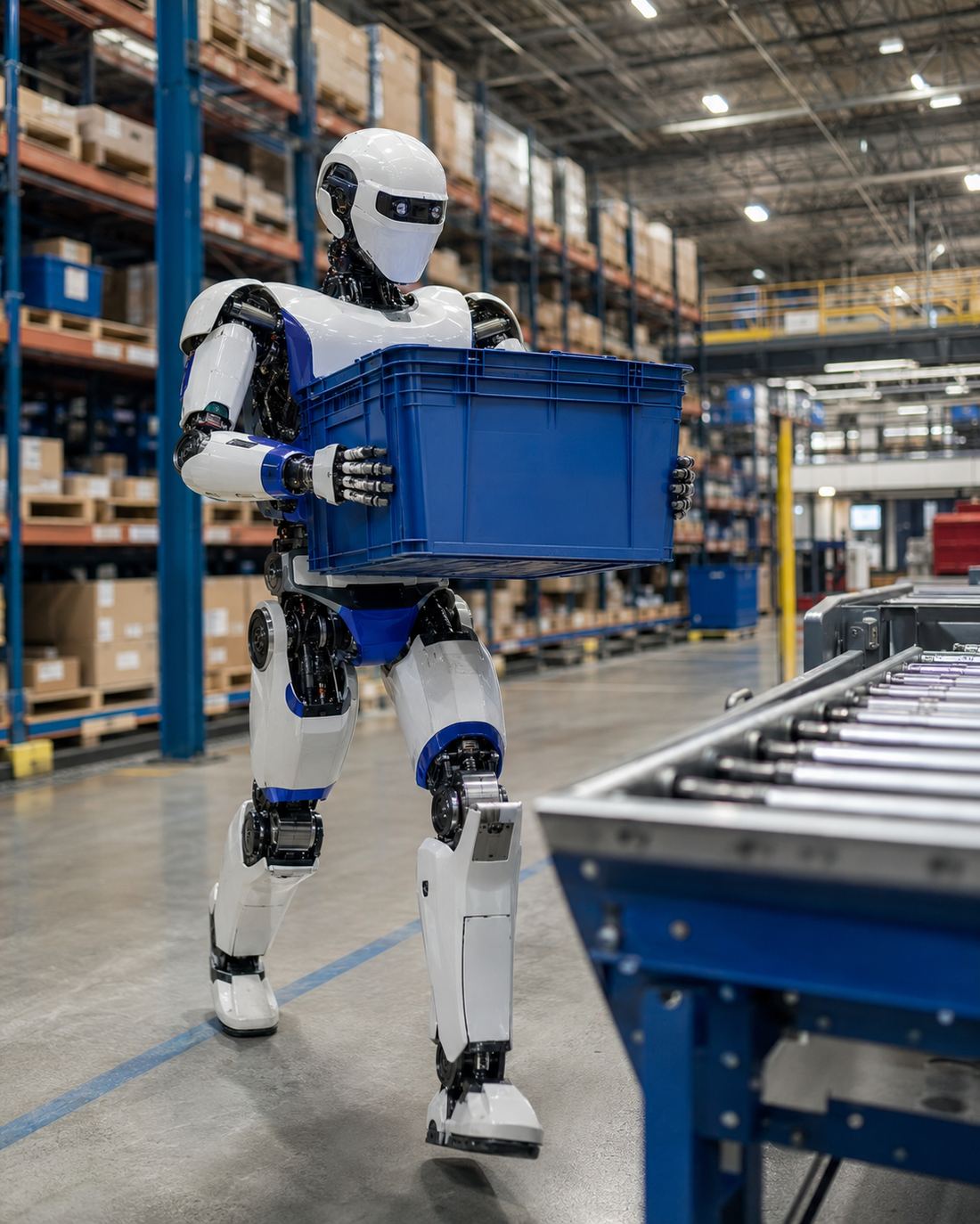
Move goods, prepare orders and handle physical logistics tasks.
Future operator role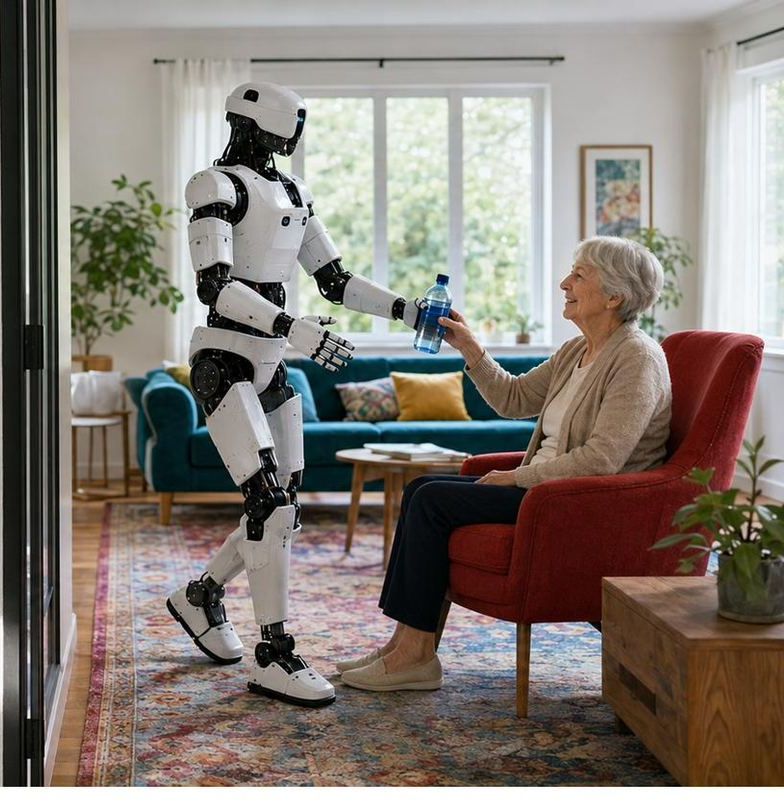
Deliver human judgment, communication and practical help when needed.
Future operator role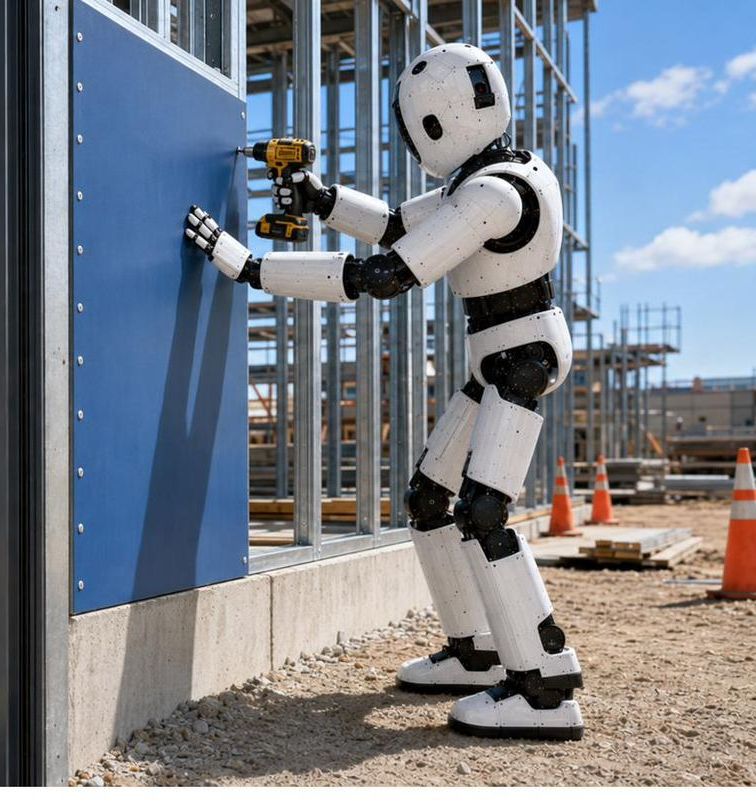
Install panels, fasten structures and use supported tools on site.
Future operator role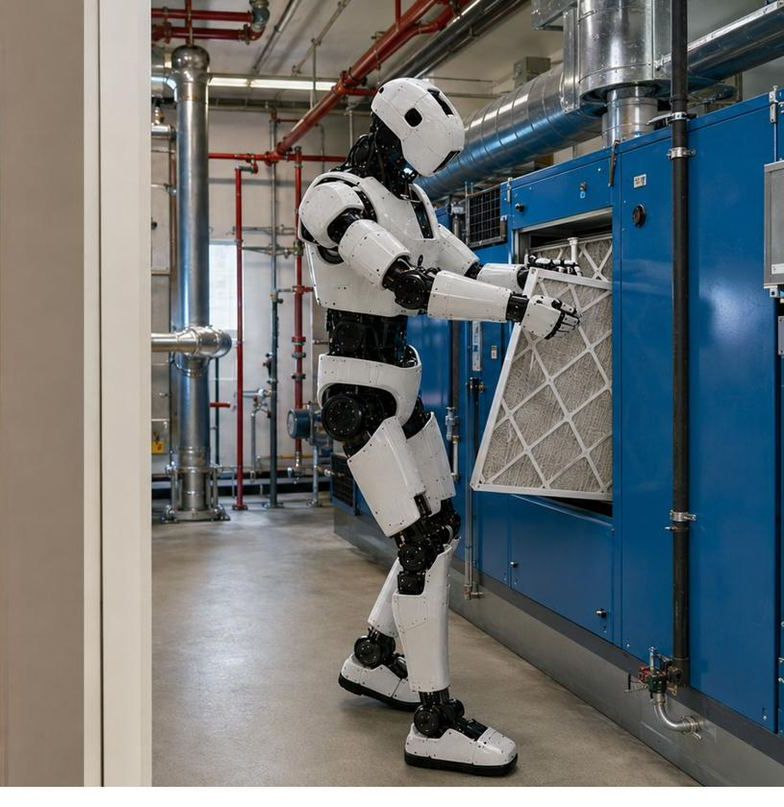
Service equipment, replace parts and restore physical systems.
Future operator role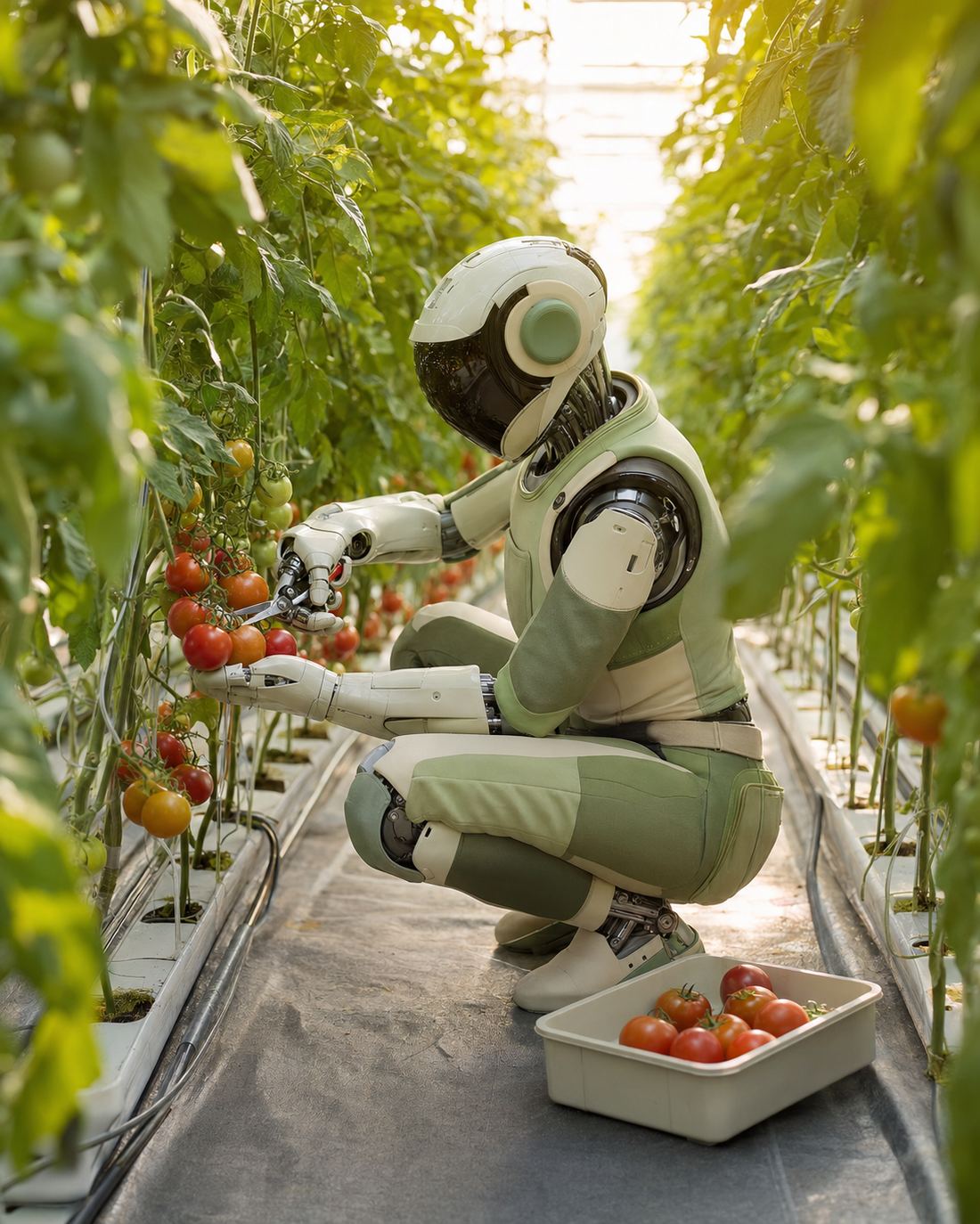
Check crops and maintain irrigation and growing systems.
Future operator role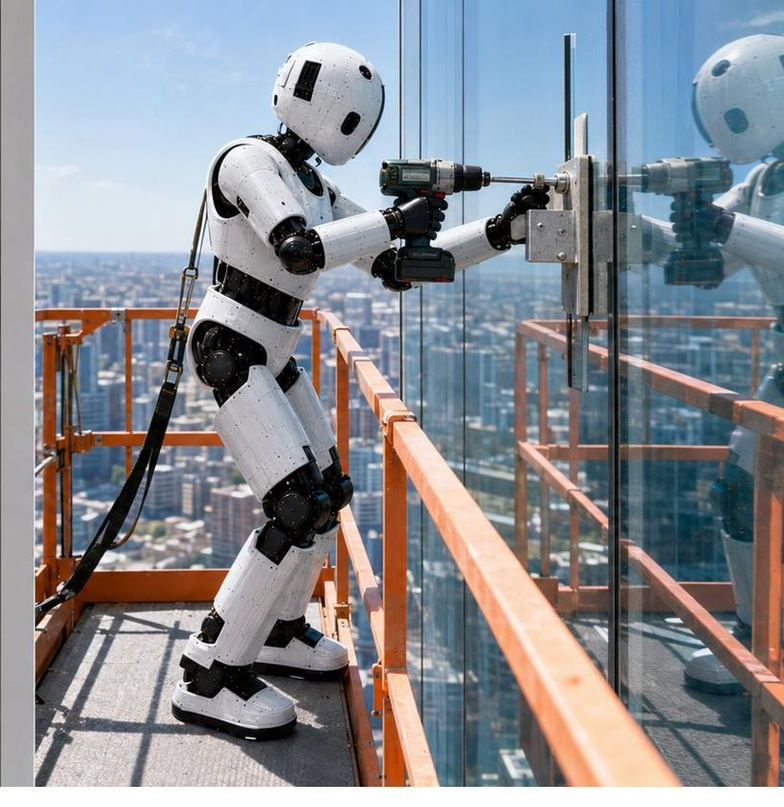
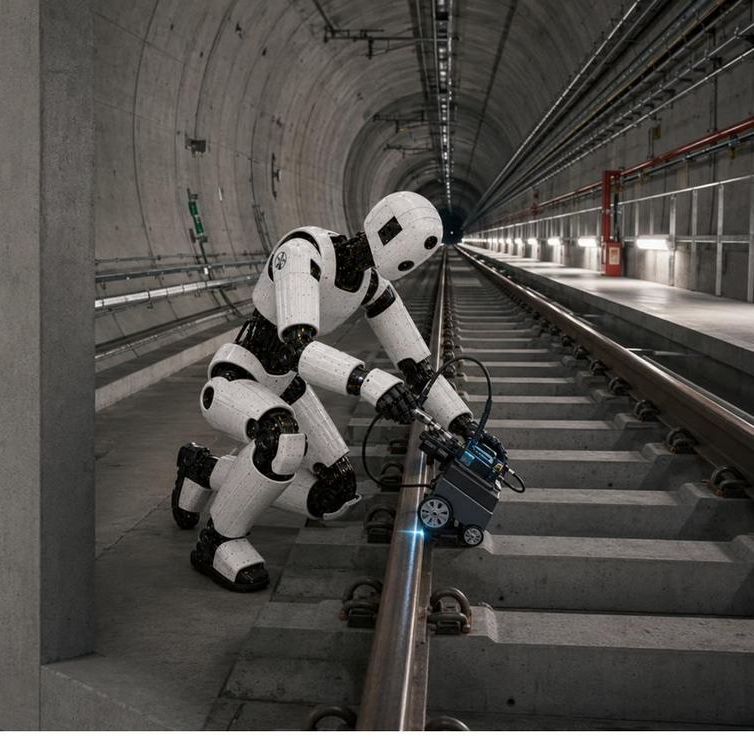
Inspect and service locations where human bodies should stay away.
Future operator role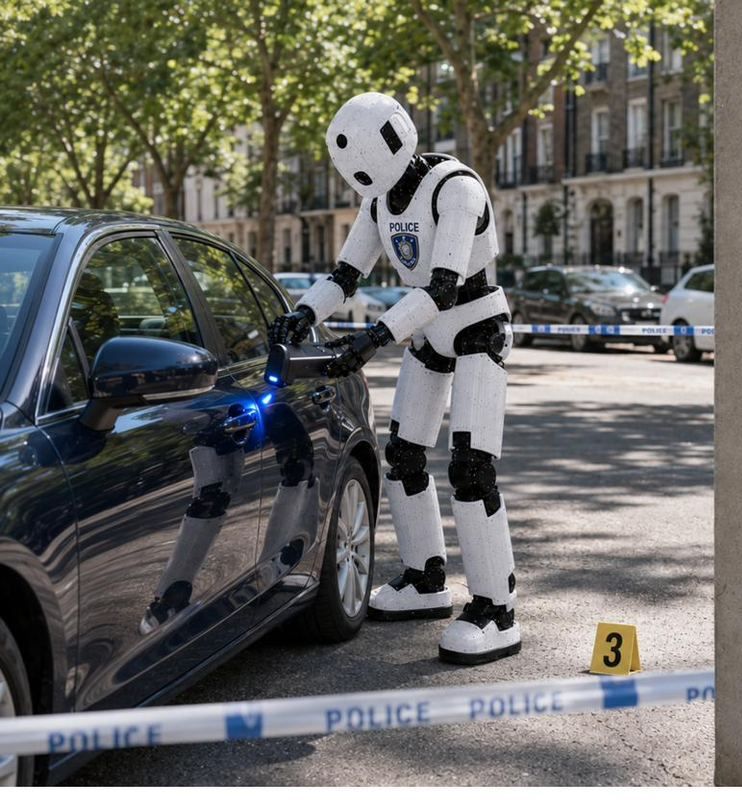
Observe, measure and document physical sites from a distance.
Future operator roleThis is a long-term vision for millions of possible positions — from inspection and repair to construction, agriculture and emergency response. Roles and jobs are not available today.
Avatar Operator Basics · Planned 3-Day Option
A planned fast introductory program for learning the essential controls in three focused days.
The three-day course and optional skills certificate are in development. Timing, access and assessment details will be confirmed before registration opens.
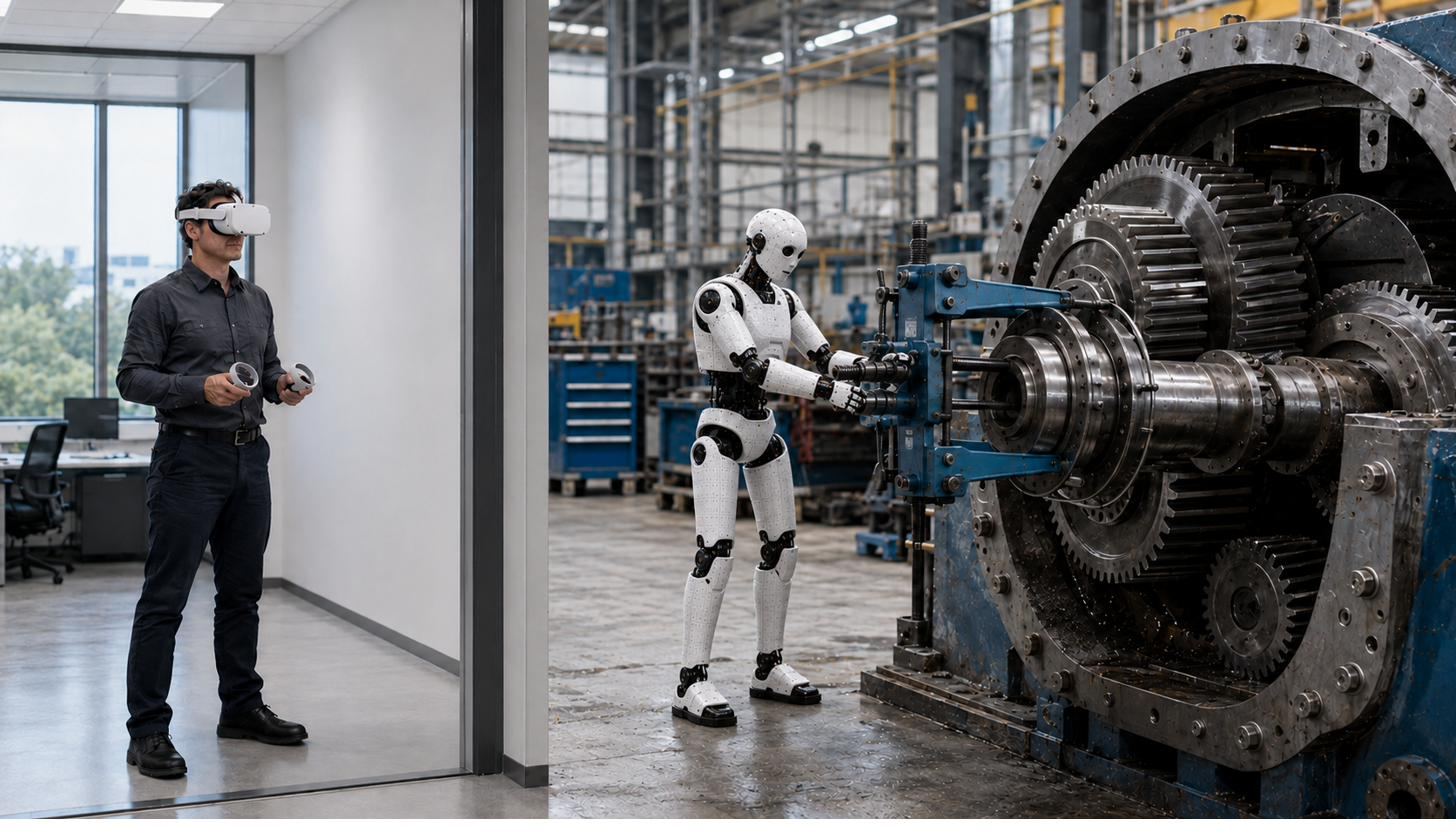
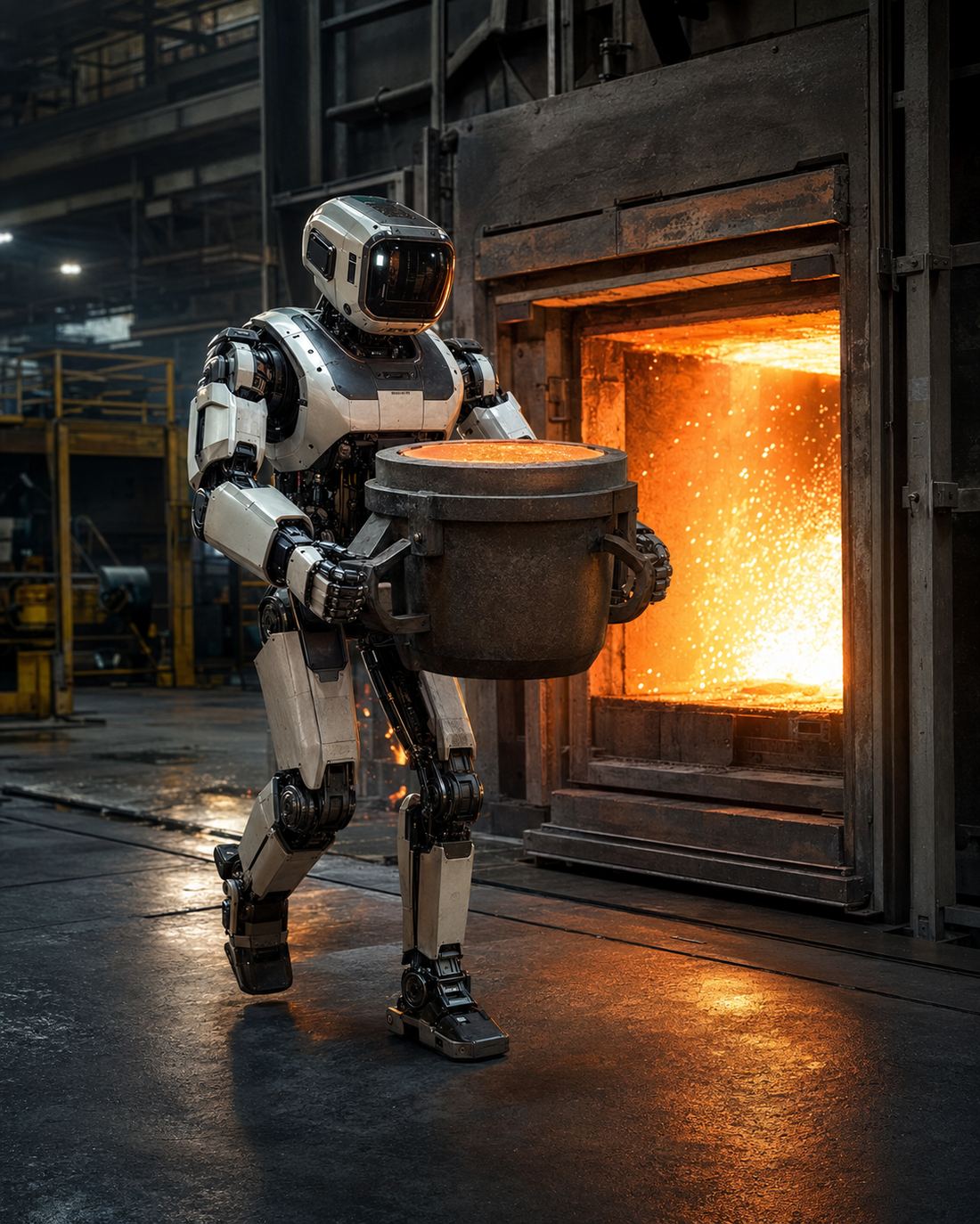
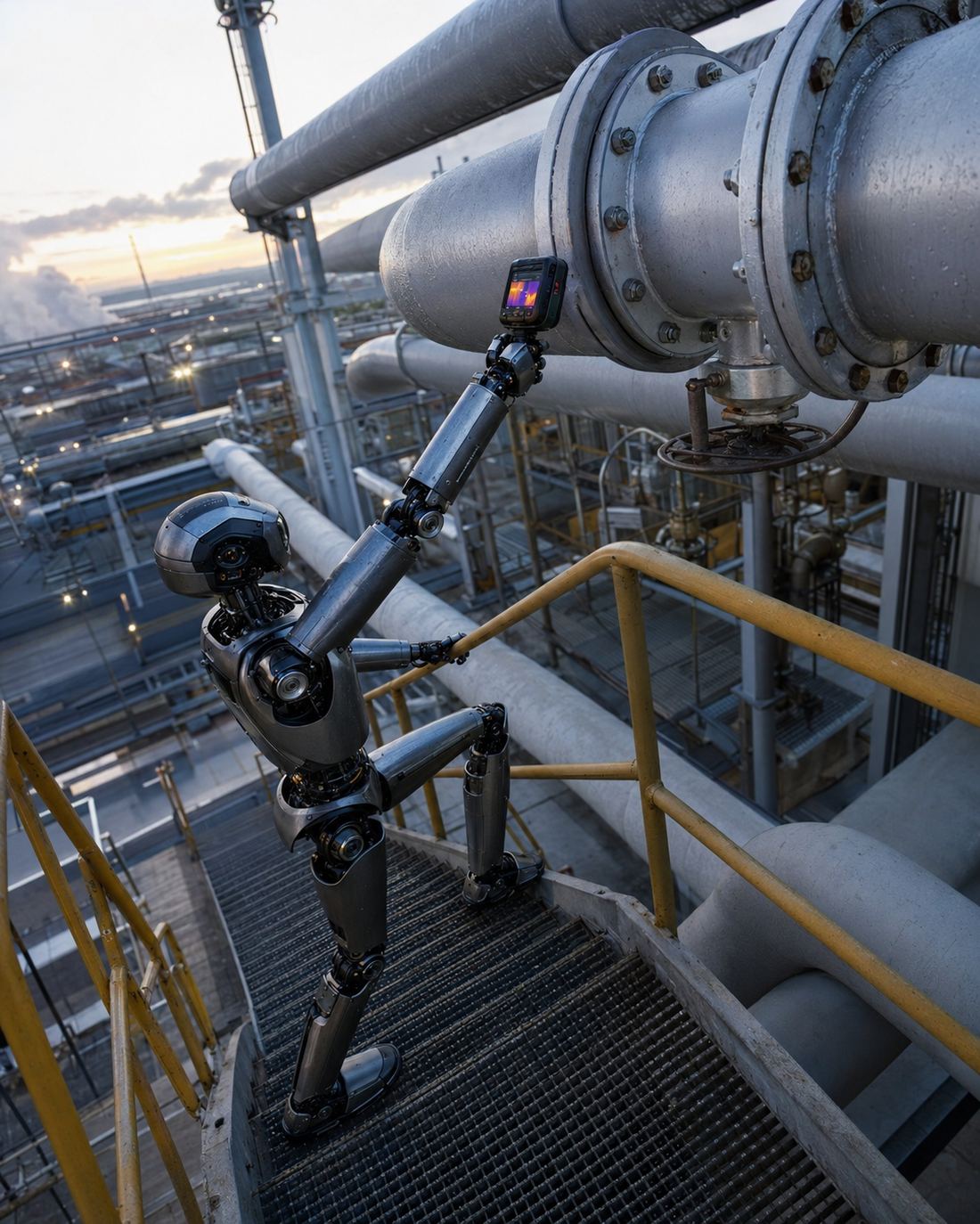
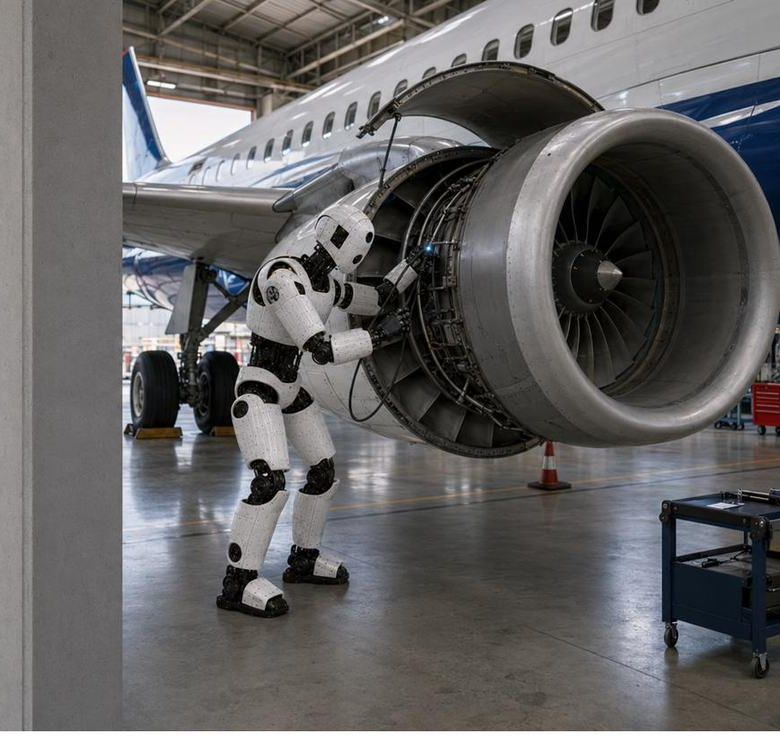
Real Physical Work
Inspect. Lift. Repair. Install. Assist. Respond.
Certificate
Future training can measure movement, accuracy, completion time and task results in a verifiable skills record.
Avatar Operator Skills Record — a planned independent training credential. The system is in development and does not guarantee employment.
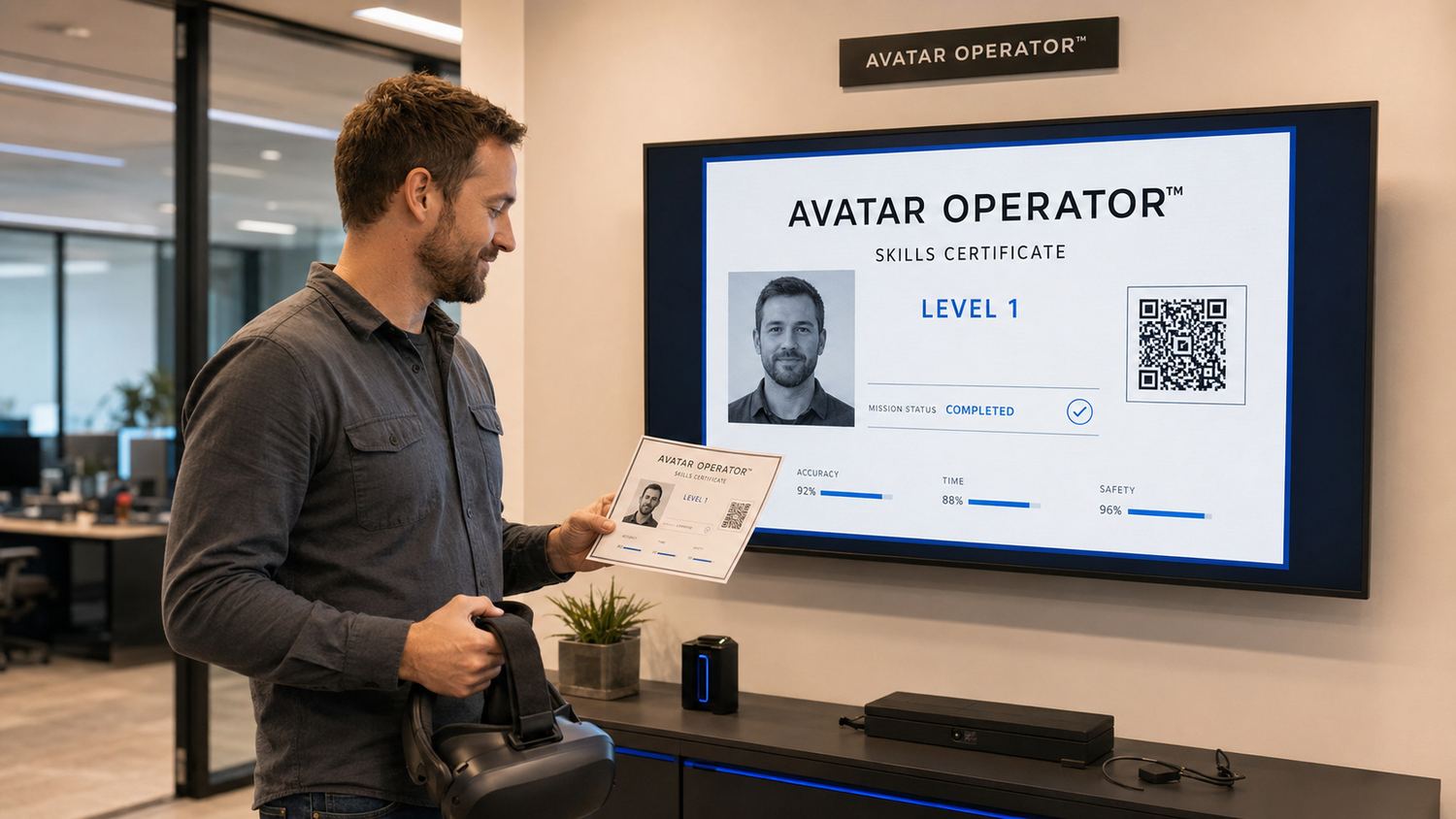
Sample skills record. Concept visualization — the certification system is under development.
Beyond Human Reach
The same remote-control principle can extend human vision, judgment and dexterity into distant or dangerous environments — including future work in space.
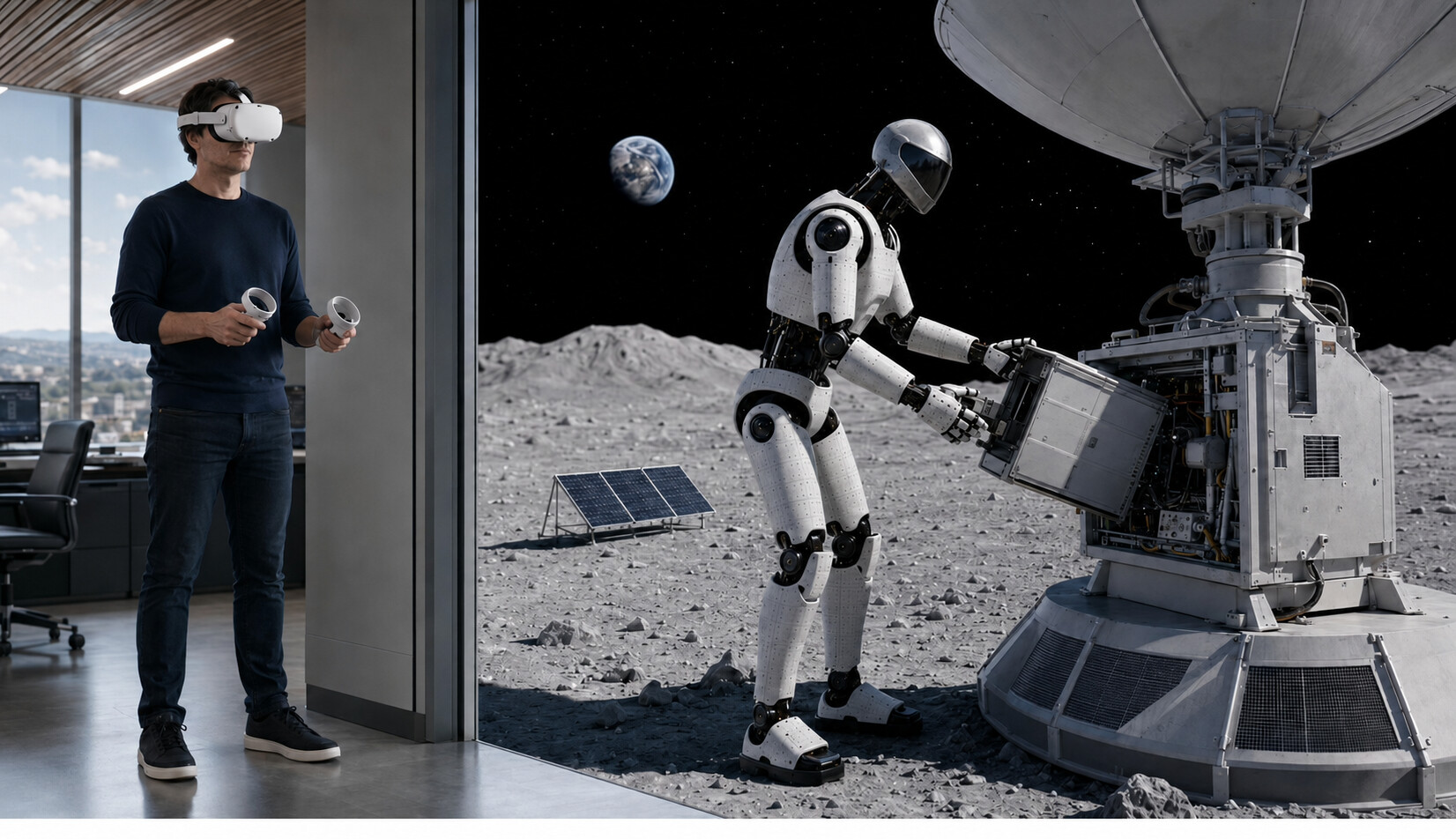
Concept visualization of future remote robot work.
FAQ
Avatar Operator™ is building the human-control and training platform for large fleets of robots. It combines VR remote access, digital practice, supervised physical experiences and skills training so qualified people can step in when a robot needs human judgment or direct control.
A real robot becomes your robotic avatar when you connect remotely and take control. You see through its cameras and send movement commands from another location while your body remains at home.
The Avatar Operator receives a live view from the robot and sends movement commands through a VR headset, controllers or other compatible equipment. The exact setup depends on the robot, the task and the safety requirements of the location.
Physical access is not available through this website yet. Digital training and supervised Robot Room sessions are being developed, and early-access members will receive updates as testing and access options become available.
Robot Rooms are planned supervised locations equipped with real robots. They are intended to give people a controlled place to experience remote presence, learn the basic controls and complete simple activities before more advanced uses are introduced.
The planned starting price is $1 per minute. You can try one minute, experience what it feels like to be inside a real robot, wish your mother a happy birthday, record a Reel, play a game or create your own remote experience. Final booking terms will be published before launch.
Early sessions may include looking around through the robot, speaking with another person, moving simple objects and trying activities such as chess or cards. During remote control, the robot acts as your robotic avatar inside the supervised room.
The first experiences may use seated or fixed-position robots so that visitors can focus on vision, communication and hand control. Walking would be introduced only with suitable hardware, supervision and completed safety testing.
No special chair is expected for basic access. A normal comfortable chair, a suitable screen and supported controllers may be enough, while professional seats and control stations could become optional equipment for longer or more advanced work.
A normal television or monitor may be used for instructions, system information and an additional camera view. A VR headset provides the more direct first-person view needed to look around naturally through the robot’s cameras.
The planned system may support standard VR controllers, familiar joysticks and other compatible control devices. More advanced equipment, including hand tracking or haptic controls, could be added later after practical testing.
The starting point is expected to be a widely available consumer VR headset with two controllers. Exact supported models and technical requirements will be published after compatibility and safety testing are complete.
The training is planned as a fast introduction to the main controls: seeing through the robot, moving its head and arms, using its hands, understanding balance and completing a simple task. It would also explain connection procedures, safe operation and what to do when the system needs to stop.
A practical skills assessment and an optional Avatar Operator skills certificate are planned. The certificate would record completed training and demonstrated skills; it would not be a government licence or a guarantee of employment.
Digital training uses a simulated robot so people can learn the controls and practise task sequences before connecting to physical hardware. It is intended to make the first real session easier, safer and more useful.
The first lessons are being designed for beginners, including people without robotics experience. Final age limits, accessibility options, safety rules and equipment requirements will be published before training or physical access opens.
That is the long-term purpose of Avatar Operator™. As robots enter repairs, inspection, construction, logistics, rescue and other industries, trained people may be needed to control them directly or step in when autonomous systems require human judgment.
Future systems may allow one trained operator to supervise several mostly autonomous robots and connect to a specific unit when it encounters an unusual situation. The practical ratio would depend on the task, the level of autonomy, response time and safety rules.
If robots eventually operate at very large scale, even a small amount of human supervision per robot could create demand for many trained operators around the world. This is a long-term scenario based on future adoption, not a current job count, employment offer or guaranteed forecast.
Robot manufacturers, teleoperation companies, VR providers, training organizations, future room operators and employers can register their interest through early access. Partnership discussions would focus on technology testing, supervised experiences, training and future operator requirements.
Early Access
Join early access for updates about digital training, the planned three-day option, certificates and supervised Robot Rooms.